





How Peggy Guggenheim Became The Queen of Modern Art
The Peggy Guggenheim Collection sits on the banks of the Grand Canal in Venice, a somewhat unassuming one-story, white-walled palace that is filled with one of the most visited collections of modern and contemporary art in the world.
Millions of art lovers have pilgrimaged to its shore to see the Pollocks and Kandinskys, the Calders, de Koonings, and Dalís, the Duchamps and Ernsts that line its walls.
It is not only one of the premier collections of modern art in the world, featuring over 300 works by over 100 of the most influential artists of the 20th-century, but it also has played an integral role in turning Venice into a mecca for contemporary art.
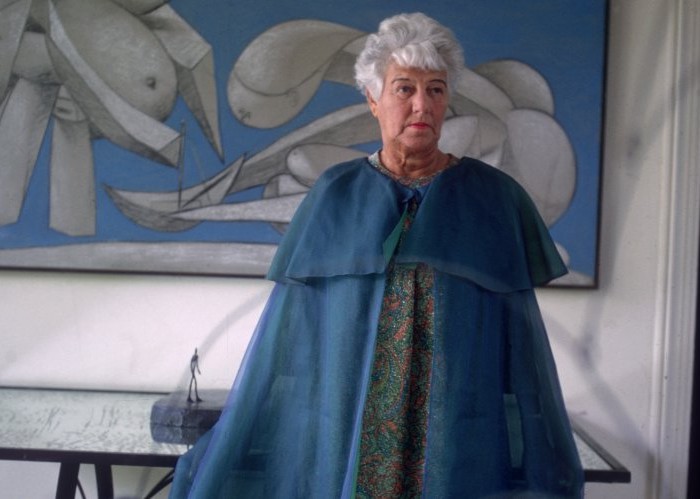
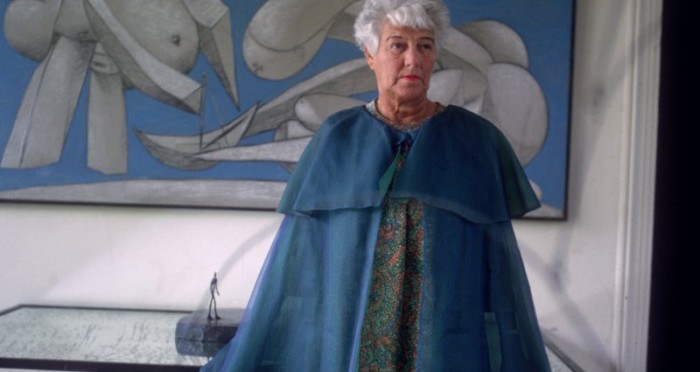
But, outside of professional art circles, what is less well known is the singular life of the woman who made assembling the collection her life’s purpose.
Peggy Guggenheim—niece of Solomon R. Guggenheim, founder of New York’s Guggenheim Museum—deserves much of the credit for spreading the religion of modern art across oceans.


