









National Security Policy and Feminism Don’t Have To Be Incompatible
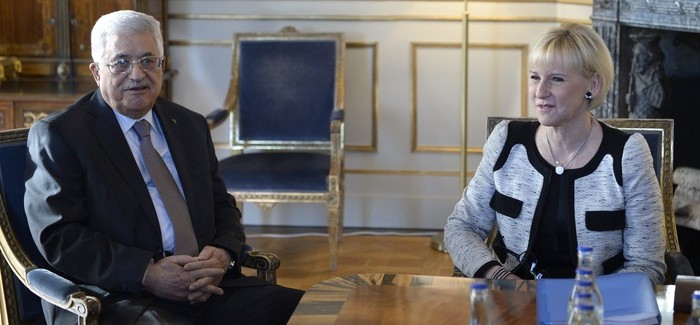
Margot Wallström had stated from the first day of her term that Sweden would be using feminist concepts to help dictate her foreign policy.
On Mar. 10, Swedish foreign minister Margot Wallström announced the cancellation of a 37 million euro arms deal with Saudi Arabia, citing the kingdom’s poor human rights record. She singled out the case of liberal blogger Raif Badawi, who was sentenced to ten years in prison and 1,000 lashes from the Saudi government for speaking out against some Muslim clerics. A diplomatic row ensued between the two nations, with the kingdom declaring that Swedes would no longer be issued visas. This in turn drew ire within financial and diplomatic circles in Sweden, which claimed the minister’s move would hurt Sweden’s foreign standing and financial interests in the world.
In contrast, the Women’s International League for Peace and Freedom (WILPF), an international women’s rights group, applauded Sweden’s decision as a victory for women’s rights, suggesting the kingdom’s abysmal treatment of women was Wallström’s real motivation. “This is precisely what a feminist foreign policy looks like,” wrote Madeline Rees, Secretary General of the WILPF.


