





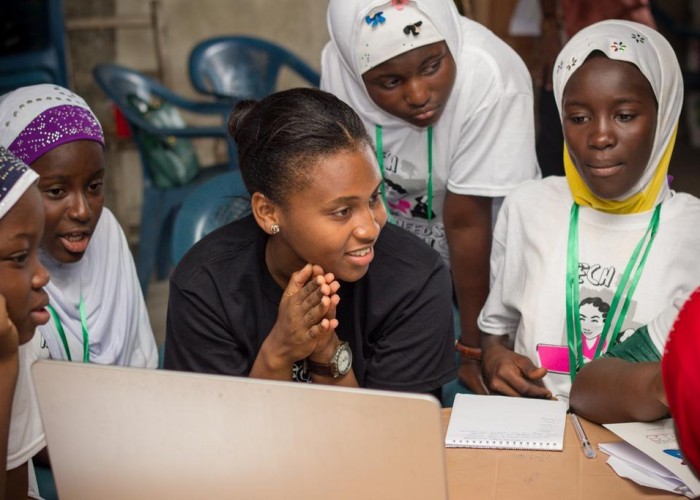








Gender balance in small groups makes a big difference for women in STEM

A new study published in PNAS reports that female engineering students who are exposed to a higher percentage of female peers in small group interactions have increased levels of motivation, greater verbal participation, and feel more confident in their engineering career aspirations. This finding could have far-reaching implications for the gender imbalance that currently exists in engineering and related fields.
This gender differential begins during education. In their first year of college, women are less likely than men to state an intention to pursue STEM education, and those numbers continue to fall throughout their first few undergraduate semesters. Though the women who initially said they’re intending to major in STEM fields are well prepared academically, they report feeling less confidence in their skills and a decreased motivation to pursue a STEM career compared to male peers.
The authors of this study think that the gender gap in STEM education and careers may be influenced by subtle cues that indicate to women that they don’t truly belong in these fields and that their lack of engagement is likely driven by their isolation and concerns about being judged through stereotypes.


