




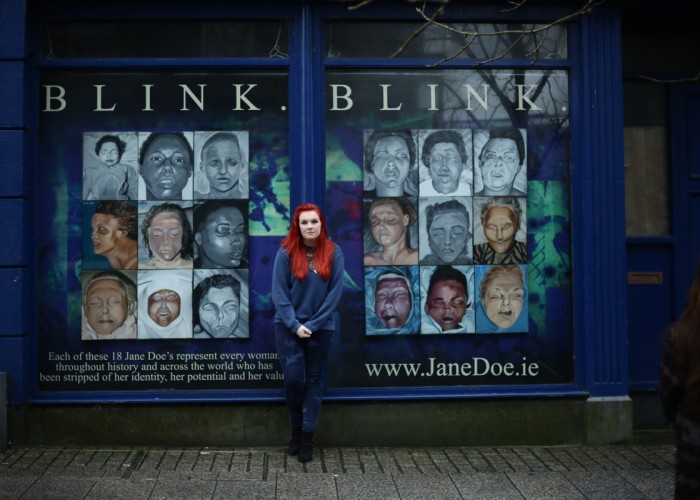


Voting feminist: A century after women’s suffrage, why are we refusing to cast our ballot?
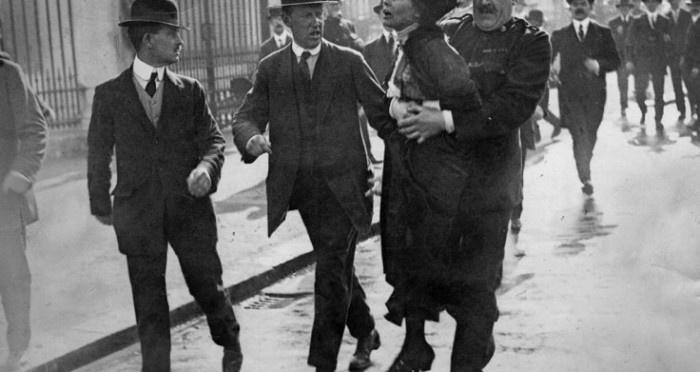
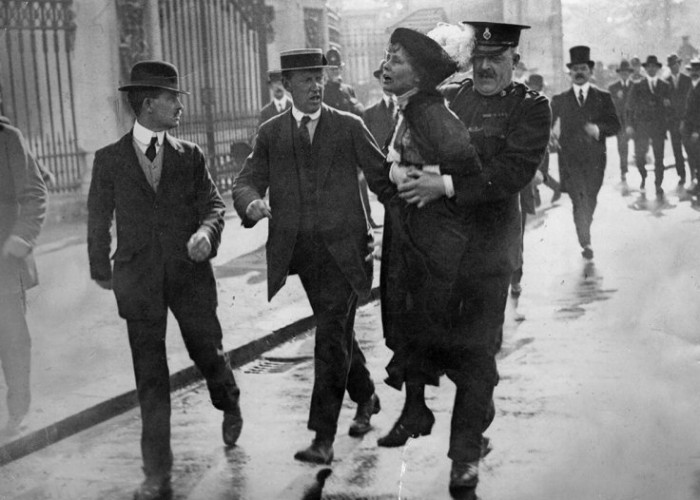
The suffragettes fought tooth and nail to secure the vote for women at the turn of the 20th century, shaking society into a new way of thinking from which there could be no return.
Emmeline Pankhurst, one of the most recognisable names in the women’s suffrage movement, assaulted police officers, heckled politicians and committed arson, all in protest of the government’s refusal to let women vote. And in 1909, Emily Davison was sentenced to a month of hard labour in prison for throwing rocks at chancellor David Lloyd George; four years later she threw herself under King George V’s horse, dying days later from her injuries.
But despite all women being granted the right to vote in 1928, only 29% under the age of 25 cast their ballot in the last UK general election, in 2010 – and more than nine million women failed to vote. Although voter turnouts have shrunk for both sexes since the 1992 election, the drop is most significant in women. So why are we still shunning our right to vote?
Inequality in Britain is a national emergency. Over 85,000 women are raped in England and Wales every year, the pay gap forces women to work for free for 57 days a year, and less than a quarter of MPs are female.


