










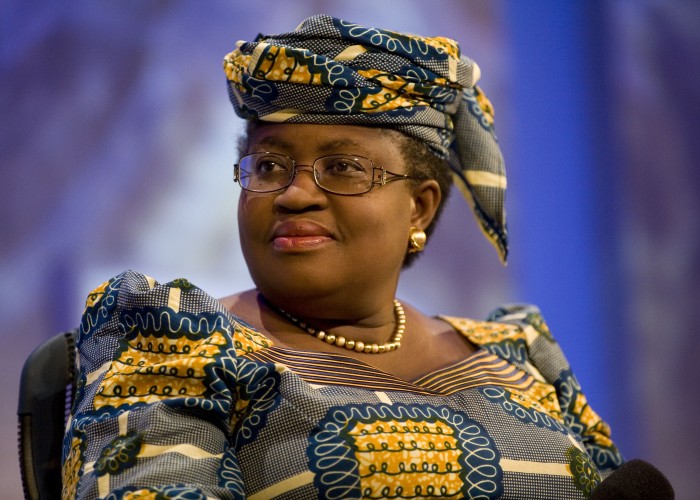
Girls can drive development
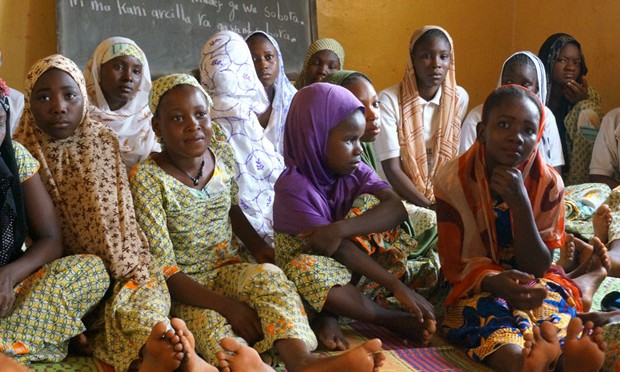
When girls can take charge of their own destinies, they contribute more fully to their communities’ and their countries’ growth and development.
Adolescent girls can play an enormous role in bringing about sustainable development. But for too long their rights and potential have been overlooked by world leaders, and this has held back development and equality. At last international momentum is building to address this gap.
The story of Zeinabou, from the Zinder Region of Niger, exemplifies the importance of empowering girls. When she was 15, her parents forced her to drop out of school and marry an older man. In the marriage, she suffered repeated and escalating violence. If she had not been able to escape and divorce her husband, her life trajectory would likely have been limited to repeating the vicious cycle of poverty and inequality experienced by far too many girls before her.
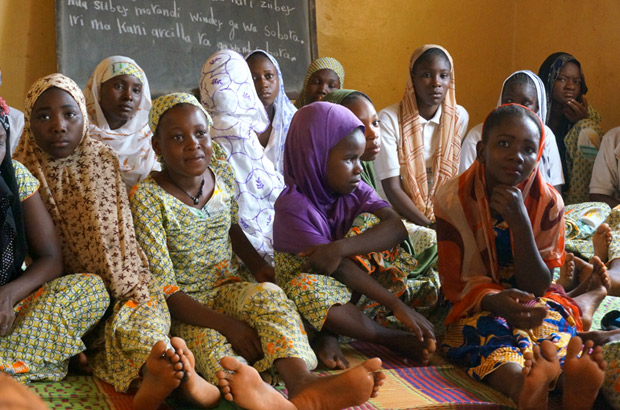
Zeinabou is now part of UNFPA’s Action for Adolescent Girls programme. This collaborative initiative with the Niger Ministry of Population, Promotion of Women and Child Protection has an ambitious goal—to provide holistic, non-formal education to a quarter of a million girls aged 10-19 by 2018, reaching one-eighth of the nation’s adolescent girls. The effort is designed to boost the social and economic development of Niger, which has the world’s highest fertility rate and is ranked at the bottom of the UN’s 2014 Human Development Index.
The programme is also underway in Ethiopia, Guatemala, India, Mozambique, Nigeria, Sierra Leone and Zambia, where it shares the same vision. By reaching thousands of girls and community members with services and information about their human rights and sexual and reproductive health, the levels of child marriage and adolescent pregnancy should decline.


