







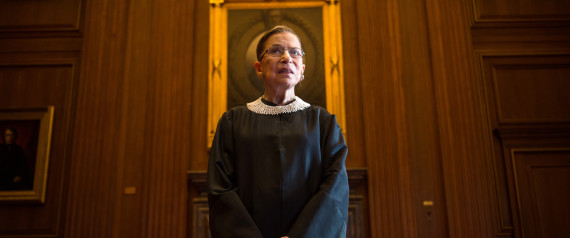
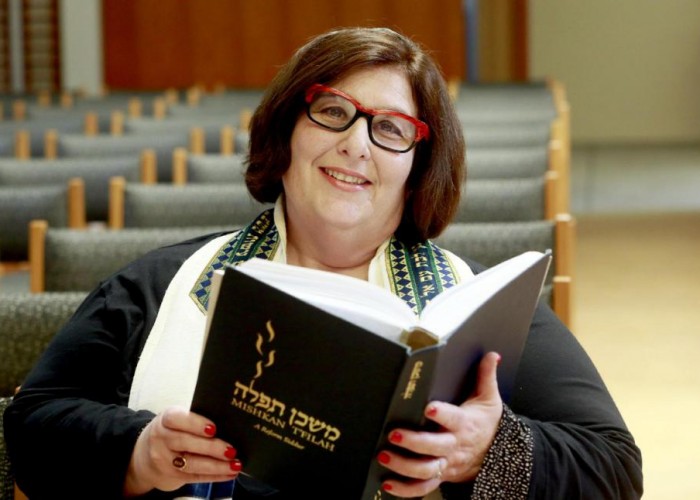

Contemporary Islamic views support reform in favor of women
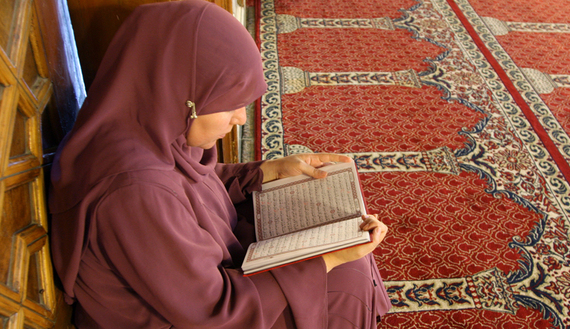
In the 20th century and until its peak in the 1970s, religious feminist movements based on nonpatriarchal interpretations of holy texts started appearing in the world. These movements were different from the prevalent secular female currents in the West in that they opted for a religious discourse founded on the texts of clerics, using religious reasoning within the framework of theological and jurisprudential discourse.
This phenomenon, which was not limited to Muslims but included Christian and Jewish communities, among others, came to be known as feminist theology.
Islamic feminism aims to fulfill three objectives. First, it seeks to criticize the masculine discourse that dominates Islamic theology and literature in general. Second, it aims to present a suitable interpretation and explanation of the equal rights of women from the Quran and Islamic traditions. Third, it works to criticize and rectify Sharia interpretations that persecute women and undermine their rights.


